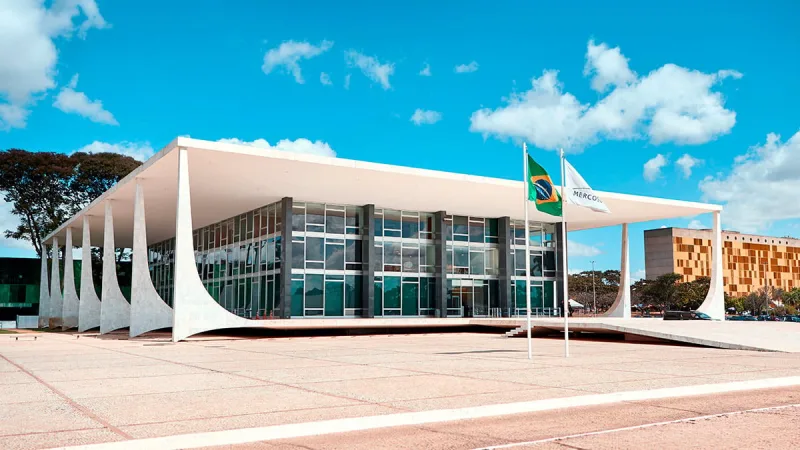
Brazil's Supreme Federal Court (STF) opened a hearing on Wednesday into whether land-based gambling can remain a criminal offence. The justices will decide if Article 50 of the 1941 criminal code, which criminalises casinos and bingo halls, still fits the 1988 constitution.
The defence points to a contradiction. In 2023 Brazil legalised online betting under Law No. 14.790, letting operators hold federal licences and pay tax. Land-based venues stay a crime while selling the same product offline. Lawyers argue the 1941 rule rested on concepts of public morality that the current constitution replaced with free enterprise and personal liberty.
A ban did not remove the industry, the defence says: it pushed it onto the illegal market, leaving the budget without tax revenue and workers without labour protections. The United States is the comparison — after the Indian Gaming Regulatory Act of 1988, tribal gaming grew into a sector worth more than $105 billion a year, with over 520 facilities and hundreds of thousands of jobs. Brazil now stands out among large economies for keeping a full land-based ban while online is legal.
The case carries 'general repercussion' status, so the ruling becomes a precedent nationwide. Justice Luiz Fux is the rapporteur and will speak first. The defence wants Article 50 declared incompatible with the 1988 constitution and the operation of land-based venues decriminalised.


