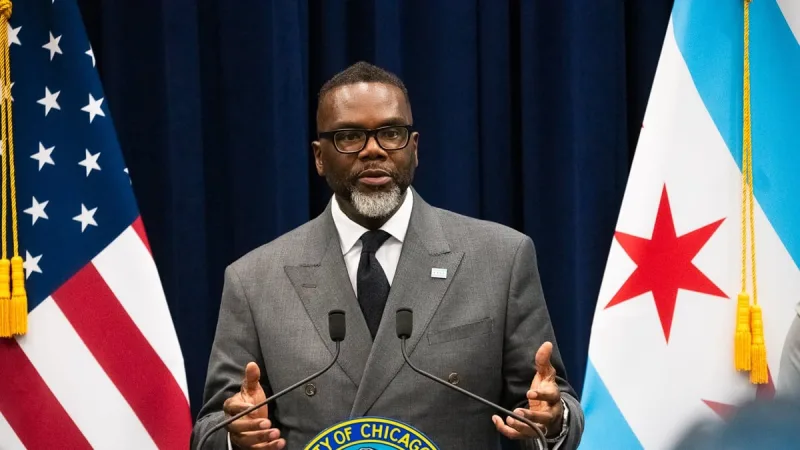
Chicago Mayor Brandon Johnson proposed nearly doubling the city's sports betting tax to 20% from 10.25% in his $17.6 billion budget proposal for 2027, citing a projected $882 million budget deficit. The increase would generate an estimated $37 million annually, according to the city.
The 10.25% levy, introduced in 2026, applies to online sports betting operators' adjusted gross receipts from wagers placed within Chicago. Johnson said the revenue comes from companies, not bettors. In practice, operators often pass additional costs to customers through fees or reduced odds. DraftKings already charges customers an additional 25 or 50 cents on certain bets to cover Illinois' separate state per-wager tax.
Legal and legislative threats
Chicago's existing sports betting tax faces multiple challenges. The Sports Betting Alliance, representing DraftKings, FanDuel and BetMGM, sued the city in December 2025, arguing the Illinois Constitution reserves taxation authority over sports wagering to the state unless expressly delegated.
State lawmakers are pushing separate legislation to block the local levy. Rep. Daniel Didech introduced House Bill 4171 to deny home-rule units authority to regulate, license or tax sports wagering. Senate Bills 2800 and 2760 similarly seek to block local sports betting fees and impose financial penalties on municipalities that require operator payments.
If the state succeeds in blocking Chicago's tax, the city could lose $76.9 million in anticipated annual revenue for 2027, according to Illinois Policy. A successful lawsuit could prove costlier still — the city may be forced to refund taxes already collected.
Higher taxes risk shifting demand toward offshore sportsbooks and unregulated alternatives if operators pass additional costs to bettors. The Tax Foundation has warned that excessive taxation of legal sportsbooks encourages consumers to seek untaxed options, undermining consumer protections and tax revenues.


