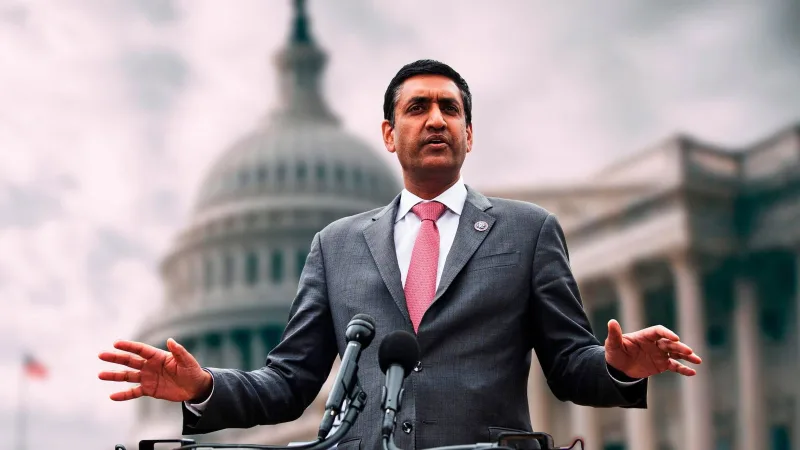
US Rep. Ro Khanna has called on federal lawmakers to ban sports prediction markets. Platforms such as Kalshi and Polymarket, he argues, operate as sportsbooks but avoid state licensing and taxation.
'Sports prediction markets are sports betting disguised as financial trading. They flout state and tribal gambling laws, siphon state tax revenues, fuel addiction, and expose young Americans to public health risks while evading state consumer safeguards,' Khanna wrote on X on Tuesday. The congressman did not name a bill or co-sponsors.
Kalshi and Polymarket position themselves as prediction markets rather than sportsbooks. Users buy and sell contracts tied to the outcome of games and events. The companies classify contracts as financial products, not wagers, allowing them to operate in states where sports betting is illegal. This has led to disputes with state regulators. Traditional sportsbooks obtain licences in each state, verify customer ages, provide tools for problem gamblers and comply with advertising limits. States that legalised betting collect taxes. Others view prediction markets as a workaround to their own bans.
Khanna's move follows a March bill by Sens. Adam Schiff (D-Calif.) and John Curtis (R-Utah). The bipartisan proposal would prohibit platforms from listing sports bets or casino-style games. 'Sports prediction contracts are sports bets — just with a different name,' Schiff said. Sen. Tim Kaine (D-Va.) compared prediction markets to insider trading. 'Betting is a sad reality, that probably we cannot change, and is just draining money out of people's pockets, especially young males in ways that is pretty destructive,' Kaine told The Hill in July.
Lawmakers introduced the SAFE Bet Act last year to regulate online betting and ban gambling advertisements during live broadcasts. The bill sought to curb predatory practices and protect consumers but stalled in March; its future remains unclear. Khanna is in his fifth term; allies recently launched a 2028 draft committee for him. Democrats will hold majorities in both chambers of the next Congress, but the ban's prospects are uncertain.


