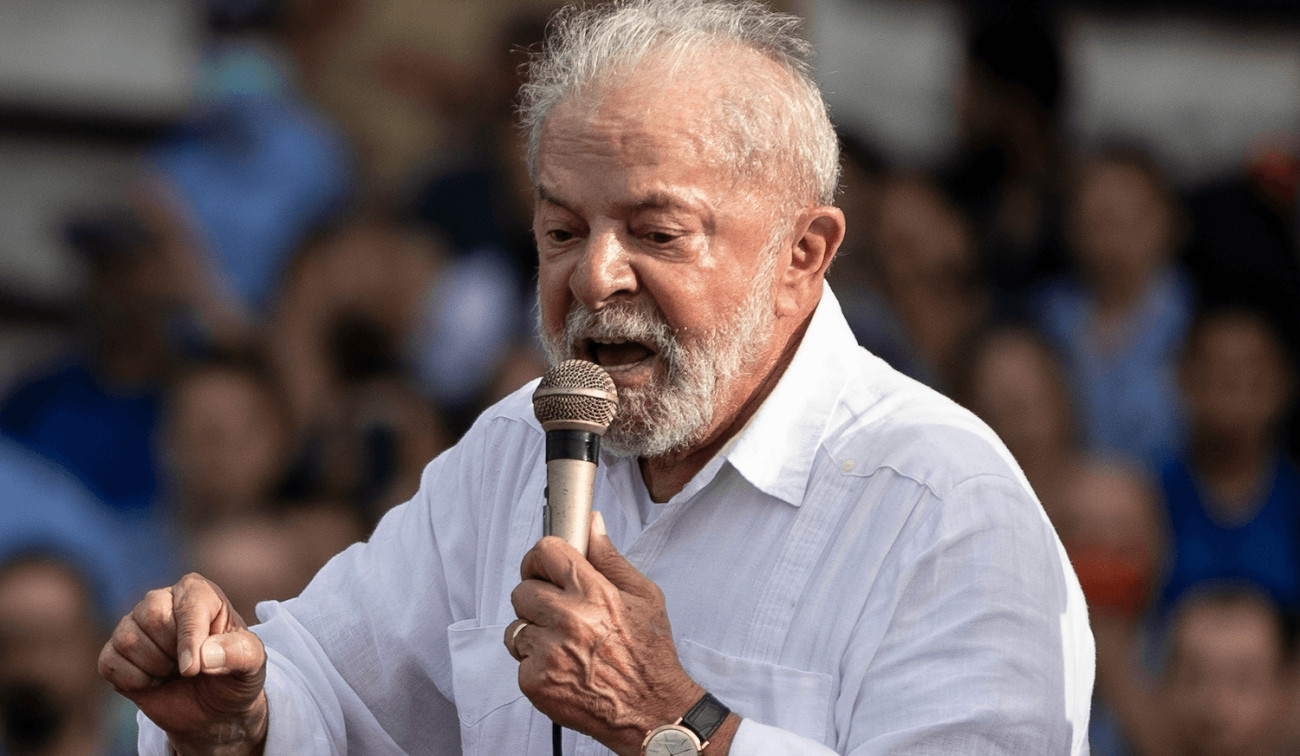
Brazil's National Congress returns from recess on 3 August, with the ruling PT party set to push Bill PL 2,258/2026 banning online casino while preserving fixed-odds sports betting.
PT deputy Paulo Pimenta introduced the bill on 7 May with backing from President Luiz Inácio Lula da Silva. It removes games whose outcomes are generated by electronic systems or algorithms from the betting law. Lula has repeatedly called himself opposed to gambling and criticised the current licensing regime for failing to control operators or protect lower-income players betting on credit.
According to Poder360, the bill forms part of Lula's electoral strategy ahead of general elections. Communications minister Sidônio Palmeira noted that betting raises serious concern among parts of the electorate, particularly evangelicals. The government also plans to intensify action against Jogo do Tigrinho (Fortune Tiger), a slot that has become the public face of unlicensed gambling, household debt and influencer promotion of illegal sites.
The shift in Lula's rhetoric is stark. In 2024 he supported legalising land-based casinos as a source of tourism revenue and tax. Less than two years later, facing elections, the focus has moved to the social cost of online gambling — household debt and fraud.
Since the regulated betting market launched on 1 January 2025, more than 200 legislative proposals to amend the betting law have been filed in Congress. Three have real support: full repeal of regulation (PL 1,808/2026), a casino ban with sports betting retained (PL 2,258/2026), and tighter advertising restrictions. All three scenarios are adverse for operators holding online casino licences.


