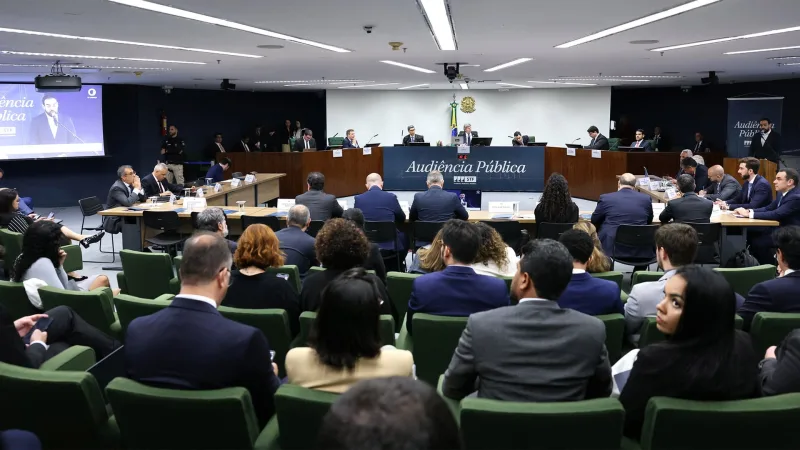
Brazil's Supreme Federal Court (STF) held a public hearing on 3 November on Provisional Measure 1.394/2026, signed by President Luiz Inácio Lula da Silva on 25 September, which abolished the country's regulated fixed-odds betting market. Eight constitutional challenges have been filed against the measure. Justice Luiz Fux presided and has not set a deadline for a ruling. The congressional review period expires on 23 November and can be extended automatically for another 60 days, which would push a vote into early 2027.
The Ministry of Finance defended the prohibition while conceding the regulated market had been 'a significant advancement' in supervision, the fight against illegal operators and consumer protection. It estimated bettors transferred R$62 billion ($11.35 billion) into the sector and that the probability of default rose by almost 40% after individuals began betting. It put the GDP impact at R$120 billion ($22 billion) to R$140 billion ($25.6 billion), with more tax lost through household losses than collected. ABLE (the Brazilian Association for Economic Freedom) disputed the arithmetic, saying betting accounted for less than 0.5% of household consumption against nearly R$700 billion ($128 billion) in household interest payments. The sector paid R$9.95 billion in federal taxes and R$4.53 billion in legal levies in 2025.
IBJR and ANJL (the National Association of Games and Lotteries) asked for the measure to be suspended, citing legal uncertainty and licences terminated at a cost of R$30 million without refunds. ABERT, the radio and television association, said complaints about illegal betting advertisements rose from 2.3 a day before the ban to 8.5 after it. AIGaming proposed applying the model used for federal lotteries run by state-owned Caixa to fixed-odds betting. Flamengo warned that roughly R$430 million ($84 million) in annual revenue and more than 1,200 jobs could be affected; its Betano deal is worth R$268.5 million ($49 million) a year before bonuses, R$895 million ($163.82 million) through December 2028. Fluminense cited R$11 billion ($2 billion) in betting-sector taxes collected between January and September 2025.
UERJ put forward eight safeguards as an alternative to prohibition, among them nationwide betting limits, restrictions on credit-funded wagering, stronger self-exclusion and advertising controls. Justice Minister Wellington César Lima e Silva called the ban 'relevant and urgent'; Attorney General Jorge Messias argued existing protections were insufficient. The Ministry of Health cited research linking gambling disorder to a 15-fold increase in suicide risk among hospital patients. The hearing ended without a decision on suspending, keeping or phasing out the ban, and Fux said the court would weigh both the constitutional arguments and whether Congress should settle the dispute instead.


