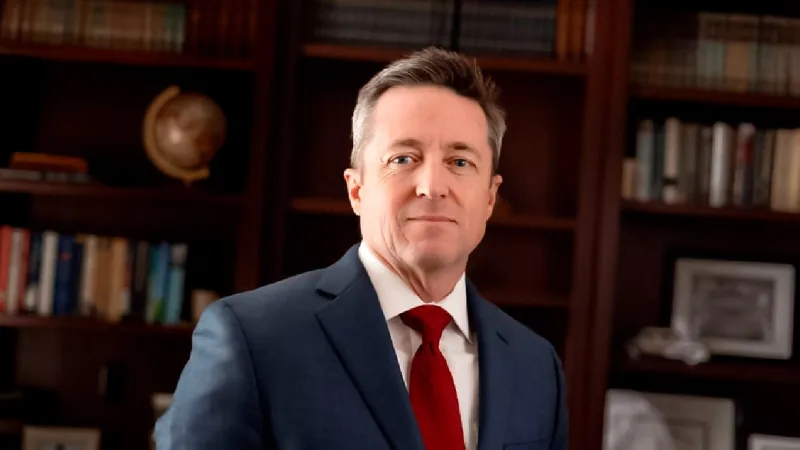
Utah Attorney General Derek Brown filed a civil lawsuit on October 20 in the state's Third District Court against Kalshi, its affiliates and two Susquehanna trading firms. The state wants Kalshi barred from offering residents contracts on sports, elections, politics and culture, and seeks up to $61.2 million. The suit also asks for geolocation restrictions. For prediction-market operators, it is a reason to review how they run in strict jurisdictions.
Utah puts Kalshi's fees from accounts in the state at $30.6 million to $61.2 million, on betting volume above $3 billion. The filing lists more than 32,000 verified users in the state, and residents' losses on individual bets are put at $5.5 million. Brown said the sums will grow because the state will request transaction data in discovery. The complaint alleges the company was offering contracts to residents by September 2024 while aware of the ban. Utah's constitution has prohibited gambling since 1896. The state treats the contracts as the equivalent of sportsbook wagers.
Kalshi rejected the allegations. Company representative Jacki McGavick said it is a federally regulated exchange under CFTC oversight, where clients trade with each other and set prices themselves, so one state's law should not block a national market. This is the first time market makers have been named as defendants alongside the operator. Susquehanna became a major liquidity provider to Kalshi about two years ago and in August expanded the partnership into block trading involving Cantor Fitzgerald.
In February Kalshi challenged Utah's rules in federal court, citing the CFTC's exclusive jurisdiction under the Commodity Exchange Act. In August Judge Robert Shelby ruled against the company in favour of the state. In September the Tenth Circuit denied a stay pending appeal. The case continues. District courts are split: the Third Circuit backed Kalshi against New Jersey, while two other circuits did not recognise sports contracts as protected swaps. New Jersey petitioned the US Supreme Court in September, supported by attorneys general of 39 states and the District of Columbia. On October 19 the CFTC removed licensed casino-style products from its definition of swaps and proposed treating contracts on sports, politics, culture and weather as swaps. Comments run until November 18.


