The Gambling Commission has released its annual report covering the financial year April 2025 to March 2026. Gross gambling yield rose 4.4% to £17.5bn, the fifth consecutive year of growth following the 2020/21 trough when GGY stood at £12.67bn.
Online casino remains the driver. Its GGY climbed 14.8% to £5.7bn, with slots accounting for £4.79bn of that total — up 15.5% and representing around 84% of online casino yield. The sector added £735.8m in absolute terms while the entire market grew by £728.1m, meaning online casino effectively carried the whole gain.
Online betting, by contrast, declined 6.6% to £2.45bn. Retail betting fell 3.3% to £2.42bn. Football remained the largest category at £1.17bn, racing brought in £769m. Online betting handle grew roughly 4.5%, so the GGY drop reflects tighter margins rather than lower activity. Online bingo shrank 13.8% to £148m.
GGY excluding lotteries reached £13.2bn, up 4.7%. The National Lottery contributed £3.47bn, about a fifth of the total market. Remote gambling — casino, betting and bingo combined — delivered £8.3bn, up 6.9% and representing roughly 63% of yield outside lotteries. Land-based venues posted modest growth of 1.1% to £4.86bn.
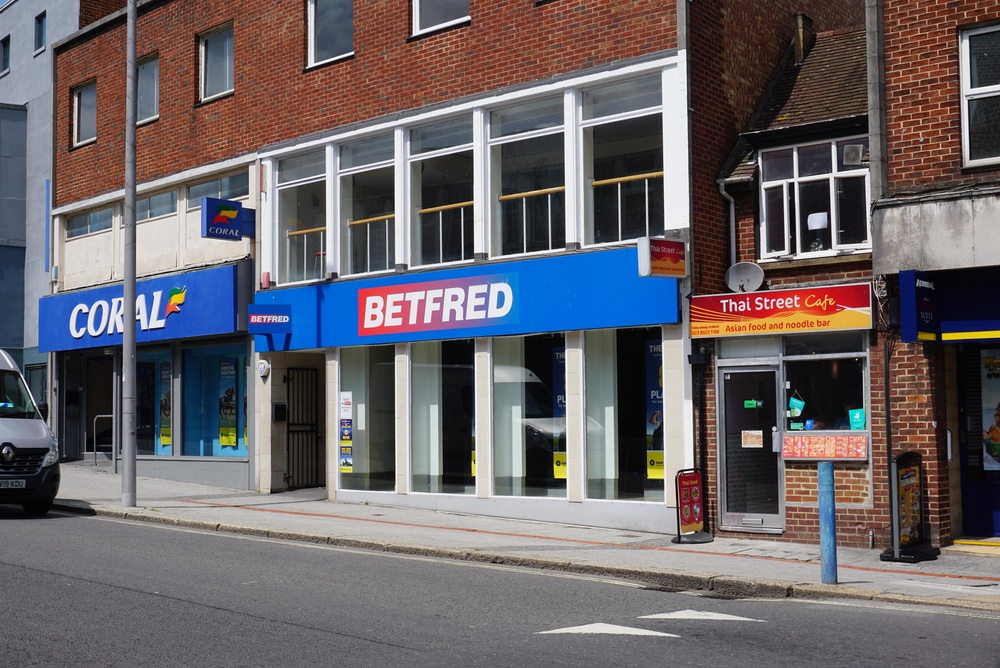
The number of licensed premises fell 2% to 8,080. Betting shops dropped by 208 — down 3.6% to 5,617. Closures are set to accelerate in 2026 as Betfred, William Hill, Ladbrokes, Coral and Paddy Power announced the shutdown of hundreds of outlets.
According to the Gambling Survey for Great Britain, 49% of adults gambled in the past four weeks. Excluding lottery-only participants, the figure stands at 28%. Men participate more than women, 53% against 44%. After lotteries, the most popular activities are scratch cards at 13%, betting at 10%, and online instant-win games at 8%. Betting draws 16% of men but only 4% of women.


