The U.S. Court of Appeals for the Ninth Circuit ruled on Friday that the Commodity Exchange Act does not prevent states from applying their gambling laws to Kalshi's online sports contracts. The appellate court upheld a lower court that allowed Nevada to enforce its betting statute against the prediction market operator.
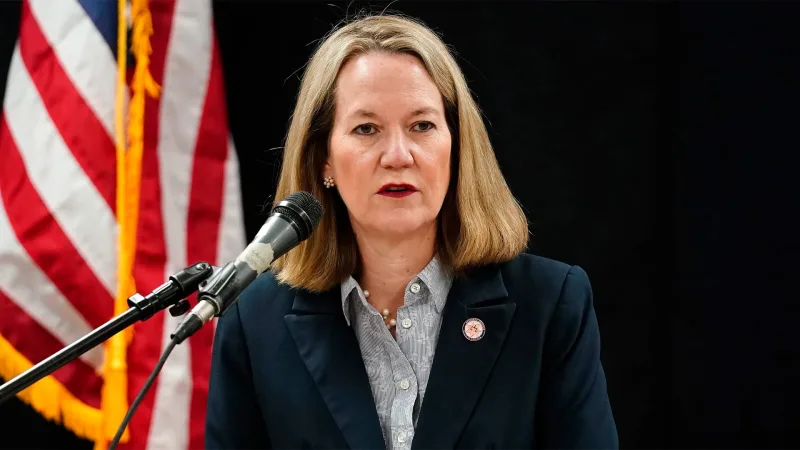
Arizona Attorney General Kris Mayes is reviewing the decision. Arizona sits inside the Ninth Circuit. Kalshi had argued that sports event trades are swaps, derivatives under CFTC supervision, and therefore a federal matter. The Ninth Circuit rejected that position. Mayes called the ruling a confirmation of state authority over gambling regulation. 'Kalshi's position would have effectively federalized the regulation of sports betting across the country and wiped out decades of state and tribal oversight built to protect consumers from the real harm of unregulated gambling,' she said.
What the ruling leaves open
Whether states can regulate Kalshi's election contracts is still unresolved. The Ninth Circuit sent the Nevada case on election betting back to the district court.
Arizona's own fight with Kalshi runs on a separate track. In March Mayes filed criminal charges: 20 counts in Maricopa County Superior Court. New York-based Kalshi was accused of running an illegal gambling business and of violating state laws that ban election wagering. It was the first time a U.S. state brought criminal charges against a prediction market operator. Kalshi said at the time the state 'can bring criminal charges based on flimsy arguments' and that its business differs from bookmakers and casinos.
In May federal judge Michael Liburdi blocked the prosecution, ruling that Kalshi operates as a designated contract market under CFTC oversight and that federal law has priority over Arizona's gambling statutes here. That halted proceedings by Mayes and the Arizona Department of Gaming. In April the federal government sued Arizona, Connecticut and Illinois, arguing that oversight of event contracts belongs exclusively to the CFTC.
For arbitrage teams and operators the signal is that the sports vertical in prediction markets is moving closer to regulation at state level. That is a reason to check how event contract offers fit the licensing requirements of individual GEOs.


