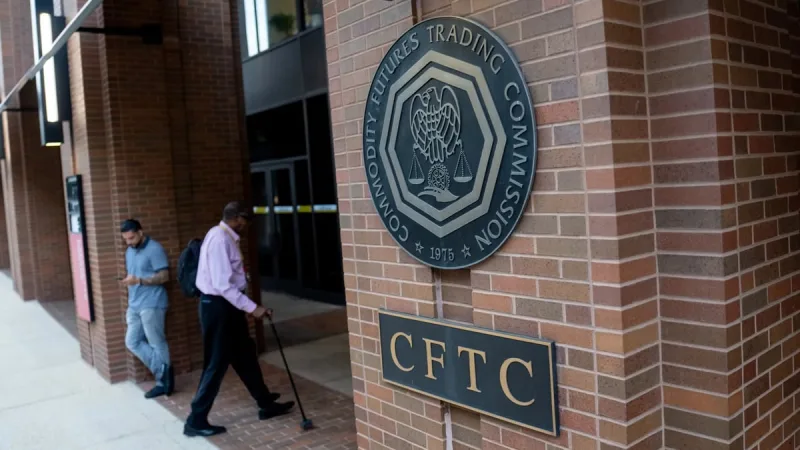
The US Commodity Futures Trading Commission issued interpretative guidance on 5 November requiring registered prediction market exchanges to remove domestic geographic restrictions within 30 days. The basis is Regulation 38.151(b), which mandates that designated contract markets (DCMs) provide competitive, open and impartial access to their members. Operators unable to comply must submit a written explanation to the Division of Market Oversight.
CFTC Chairman Michael Selig said derivatives markets must operate uniformly at national scale, and geographic restrictions contradict that principle. The directive also applies to intermediaries accessing markets through DCMs.
The practical problem is that several operators are following state court orders directly opposed to the new CFTC guidance. Kalshi, Polymarket and Crypto.com have already withdrawn sports event contracts from Michigan under court directive. On 4 November the Ninth Circuit Court of Appeals ordered Kalshi to geofence in California, blocking access to contracts from tribal lands. Earlier, in August, the same court unanimously rejected Kalshi's argument that it could not simultaneously comply with Nevada state requirements and federal uniform access rules.
The CFTC itself has intervened twice with emergency directives: in July it required Kalshi to honour trades in Michigan despite a state court order, and in August it directed the exchange to continue operating in New York despite a state ban. Both cases drew sharp criticism from former agency advisors at congressional hearings.
California Senator Adam Schiff called the November guidance 'the CFTC's most egregious attempt yet to undermine state law, the Tribes, and now, the courts'. He said the commission is effectively encouraging platforms to continue offering gambling products in violation of court orders.
DraftKings CEO Jason Robins told analysts on the third-quarter earnings call on 6 November that the guidance is unlikely to affect the company. DraftKings holds DCM status but does not offer sports contracts in states where it holds sports betting licences. He added that the company has 'a really good relationship with the CFTC' and the issue can be resolved through normal process.
The new guidance does not describe how to resolve conflicts between federal requirements and state court orders, and sets no specific penalties for non-compliance.


