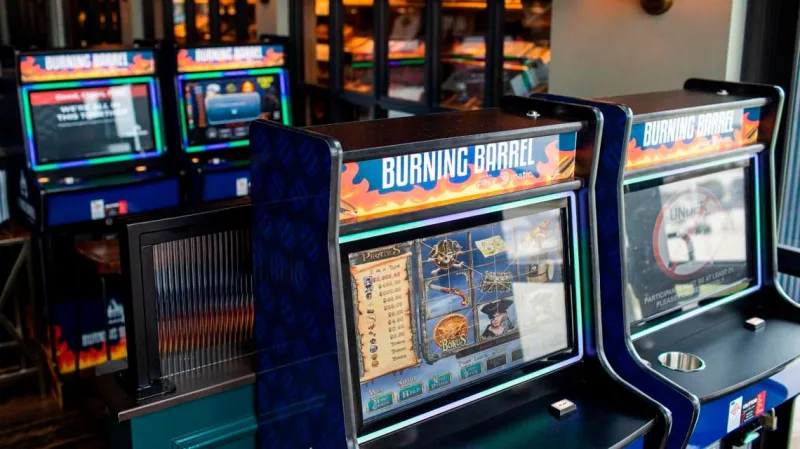
A Pennsylvania state representative has introduced legislation to legalise and regulate skill games, with a court deadline of 13 October set to make the machines illegal across the state if lawmakers do not act.
Rep. Russ Diamond (R-Lebanon) filed the proposal, which would amend the state Gaming Act to bring skill games under regulation and taxation. He puts the additional property tax relief it would generate at nearly $1 billion.
The state Supreme Court ruled in June that skill games fall under Pennsylvania gambling law, reversing lower court decisions. Enforcement was stayed for four months over the effect on thousands of small businesses, among them fire companies and American Legion posts. The machines have run in a grey zone for more than a decade, in shops, restaurants, gas stations, private clubs and dedicated halls. Governor Josh Shapiro backed legalisation and a tax on skill games in his two most recent budget proposals; legislators failed to agree on the structure of the tax. Opponents call the machines predatory and point to the risk of children playing and to rising crime where they are concentrated.
The fight over the rate
The tax rate is the sticking point. Casinos pay 55% and oppose skill games, demanding a comparable rate. Senate leaders backed 35%, and Senator Gene Yaw proposed 16%. Yaw and Senator Anthony Williams introduced a bill charging $500 a month per machine, a scheme the skill games industry supports. Diamond proposes 20% and a cap of five machines at alcohol-licensed venues and qualified truck stops. The rate on casino slots and online casino is to fall to 49.9%.
The package also sets the formula for distributing property tax relief, annual funding for the Race Horse Development Trust Fund and higher spending on gambling addiction treatment. The relief mechanism would be replaced by direct 'gaming dividends' to 2.87 million homeowners. Payments rise for 96% of homeowners, at a minimum of $702 a year each, even without growth in revenue from legal gaming.


